Hebden Bridge’s Green Initiatives: How the Town Is Leading on Sustainability
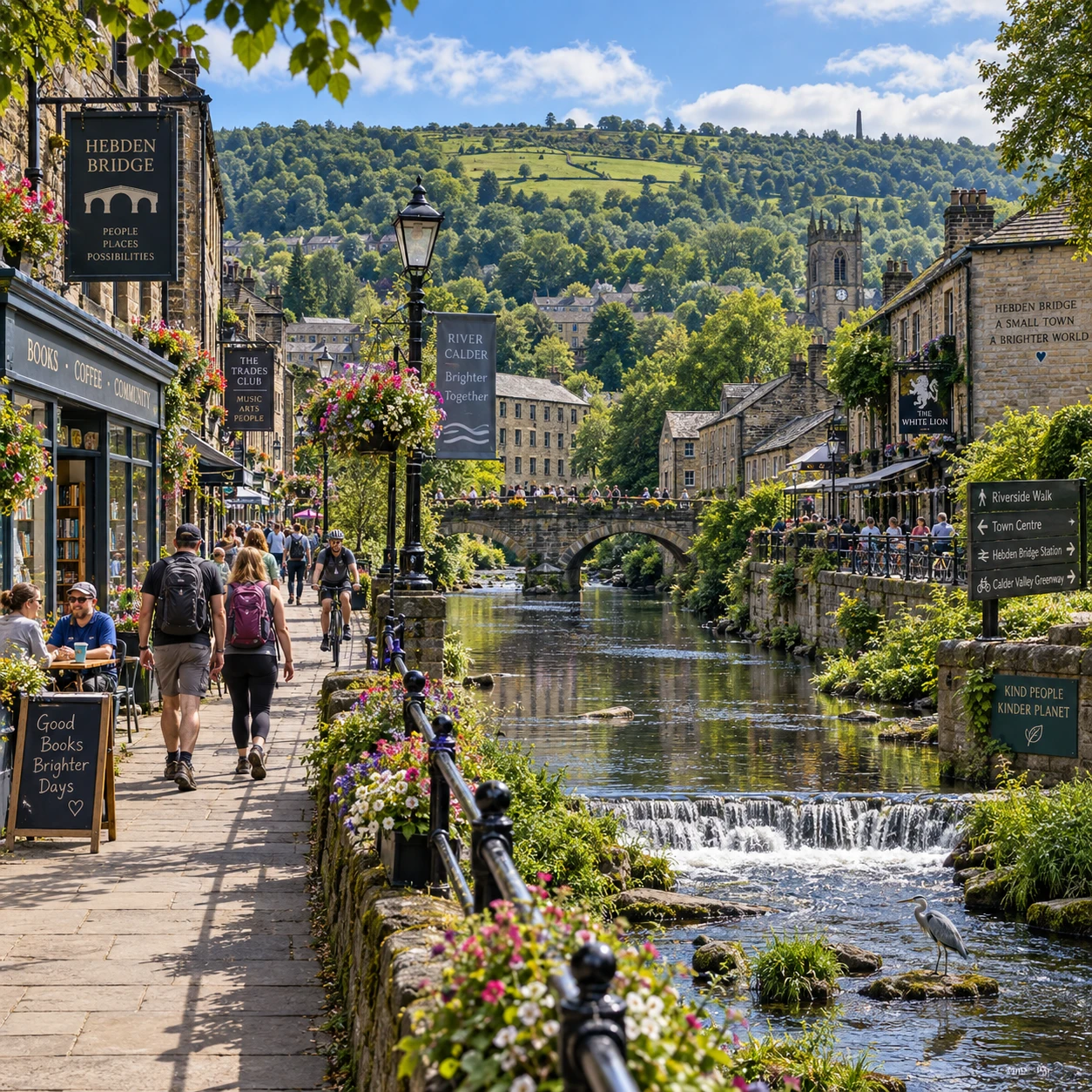
In Hebden Bridge, environmental action is tied closely to everyday life: how people travel through the valley, care for local green spaces and choose what to buy or throw away. Residents, community groups and businesses all have a part to play, while Calderdale’s wider plans shape local services and infrastructure.
The town’s sustainability story is best understood as ongoing work rather than a finished transformation. There are practical ways to get involved, but challenges such as transport access, flooding risks and the limits of local recycling services still matter.
What sustainability means for Hebden Bridge
Sustainability in Hebden Bridge means reducing environmental impact while protecting the places and services residents rely on. That includes cutting waste and emissions, supporting biodiversity and preparing the Calder Valley for climate-related pressures.
The town’s setting gives these issues a distinctly local character. Hebden Bridge sits in a steep-sided valley, with the River Calder, surrounding hills and compact centre shaping how people move around and where development can take place. Heavy rain and flooding have affected communities across the valley, making resilience, drainage and care for waterways part of the sustainability conversation.
Climate action also reaches beyond carbon targets. It can mean choosing walking or cycling for a short journey, making a household item last longer, or supporting a shop that avoids unnecessary packaging. Taken together, these decisions can reduce waste and demand for energy and materials, although individual choices cannot replace effective public services and infrastructure.
Calderdale Council’s climate and environmental work provides a wider policy context for the town. Residents can check the council’s current information on Calderdale Council services and environmental priorities for local guidance, including waste and transport updates. Plans and services can change, so current council information is more reliable than assuming every scheme operates year-round.
Community-led projects making a difference
Community-led environmental work gives Hebden Bridge residents practical ways to care for their neighbourhood and influence local priorities. Activities may include volunteering in green spaces, sharing repair skills, supporting local food initiatives and joining community groups focused on climate action.
Participation does not have to begin with a large commitment. A resident can start by asking a neighbourhood or environmental group what help is needed, attending a public meeting, or joining a one-off litter pick or planting day. Local noticeboards, community venues and group social media pages are useful places to look for current opportunities; confirm dates and accessibility before travelling.
Volunteers bring local knowledge that formal plans can miss. They may know where paths become difficult after rain, which areas attract litter, or where a community space could support more wildlife. That knowledge is valuable, but volunteer time is limited. Long-term maintenance, safe working arrangements and clear coordination matter if a project is to last beyond its launch.
For anyone unsure where to begin, use a simple three-step approach:
- Choose a local issue: for example, waste, access to nature or sustainable travel.
- Find an existing group: ask what is already happening before starting a separate project.
- Offer a realistic contribution: one regular hour or a single practical task can be more useful than an unsustainable promise.
Cutting waste and supporting reuse
Hebden Bridge residents can reduce waste by reusing useful items, repairing belongings and checking Calderdale’s current recycling guidance before putting materials out. Reuse often avoids waste altogether, while recycling depends on local collection rules and the quality of the material.
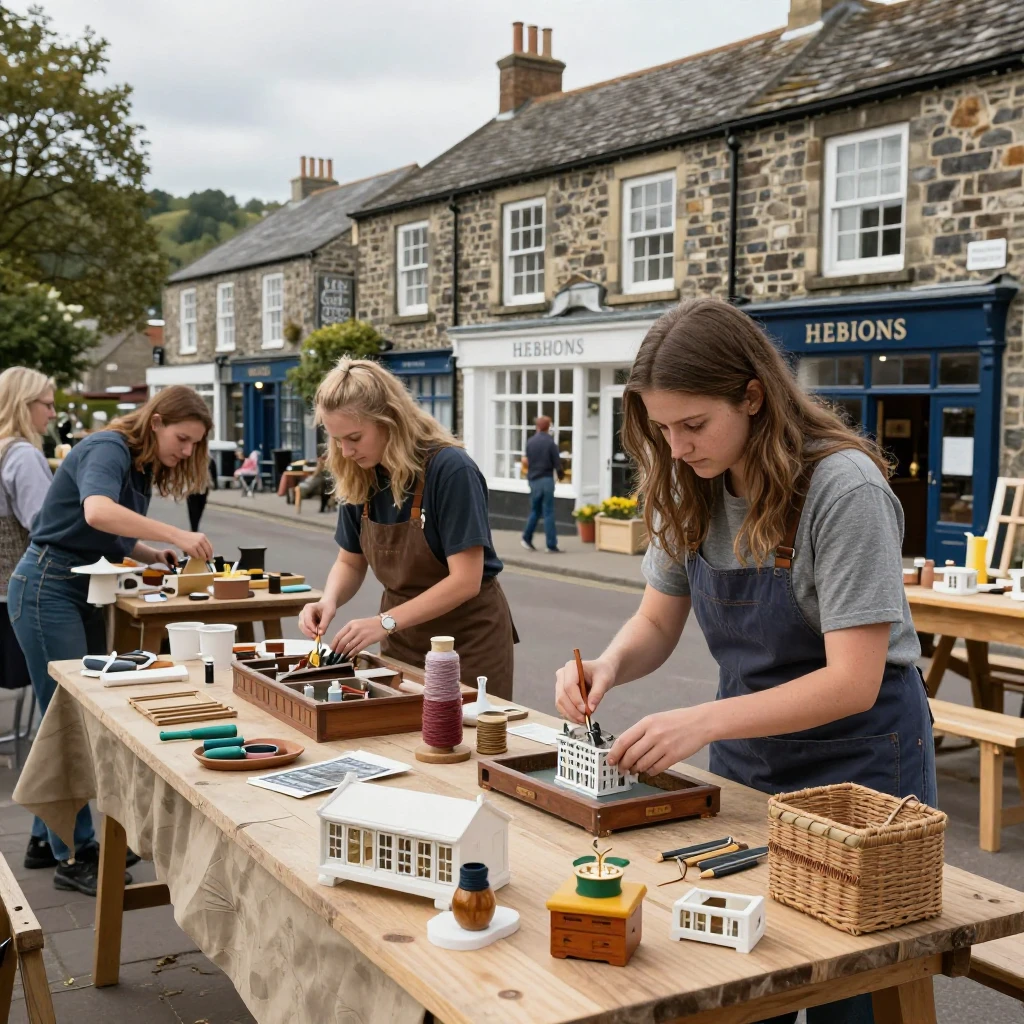
Repair cafés and community reuse activities, where available, help people extend the life of household goods and learn basic skills. Local charity shops and second-hand sellers can also keep clothing, books and other usable items in circulation. Check what each organisation accepts before donating: unsuitable items can create extra handling and disposal work.
For household recycling, follow the latest Calderdale instructions rather than relying on a general list from another council. Accepted materials, collection arrangements and recycling-centre rules can differ. Rinsing containers where guidance asks for it and keeping non-accepted items out of recycling bins helps avoid contamination.
At home, a manageable waste-reduction routine might include planning meals to prevent food waste, carrying a reusable cup or bottle, and choosing products with less packaging when a suitable option is available. These steps are most effective when they fit ordinary routines. Reusable products also need repeated use to offset the resources involved in making them, so using what you already own is often a sensible first move.
Greener travel and public spaces
Walking, cycling and public transport can make many journeys around Hebden Bridge less car-dependent, while careful management of parks, river corridors and other green spaces supports local biodiversity. The best option depends on distance, terrain, weather and transport availability.
The town centre is compact enough for many errands to be made on foot, though steep streets and valley routes can make some journeys challenging. Cycling may suit confident riders, but visitors should check route conditions and secure parking. For longer trips, train and bus services can reduce the need to drive for every leg; check timetables and service updates before setting off, particularly in bad weather.
Public spaces also contribute to sustainability. Trees, planted areas and riverbanks can offer habitat and make neighbourhoods more pleasant, but they need ongoing care. Residents can help by keeping to paths where appropriate, taking litter home when bins are full, and reporting issues through the relevant council channels. Planting should suit local conditions and avoid damaging established habitats.
Visitors can make a lower-impact trip by arriving by train or bus where practical, walking between nearby destinations and bringing a refillable bottle. Car travel may still be necessary for some people, including those with mobility needs or limited public transport connections. A fair approach recognises those constraints while improving realistic alternatives over time.
The role of local businesses
Local businesses can support sustainability by reducing packaging and energy use, offering durable or locally sourced options where feasible, and making low-waste choices easier for customers. Small operational changes can help, though costs, supply chains and space constraints limit what every business can do.
Shops, cafés and hospitality businesses are visible parts of town life. They can review disposable packaging, provide clear recycling arrangements for staff and customers, and avoid ordering more stock than they can sell. Where reusable containers are offered, clear hygiene procedures and straightforward customer guidance make the system easier to use.
Businesses can also improve access to sustainable choices by explaining what they sell and how items are made, rather than relying on vague green claims. A specific statement, such as describing a repair service or a packaging change, is more useful than a broad claim that a product is “eco-friendly.” Claims should be accurate and supported by information customers can check.
There are trade-offs. Replacing packaging or equipment can involve upfront costs, and local sourcing is not automatically lower-carbon if transport or production impacts are higher. Progress is often gradual: measure one practical issue, make a change, then review whether it works for the business and its customers.
Challenges and what comes next
Hebden Bridge’s next sustainability steps depend on addressing practical barriers as well as encouraging individual action. Reliable transport, long-term funding, flood resilience and support for community groups all affect how quickly local ambitions can become lasting improvements.
The valley’s geography can make walking and cycling harder for some journeys, while public transport options may not suit every shift pattern or destination. Older buildings can also be difficult or costly to retrofit for energy efficiency. For households and small businesses, the upfront price of repairs, insulation or low-carbon equipment can outweigh the promise of future savings.
Another challenge is continuity. A successful volunteer event does not by itself provide year-round maintenance, and a new recycling message cannot compensate for confusing or inconsistent collection arrangements. Public bodies, residents and businesses need clear responsibilities, accessible advice and ways to assess whether a project is achieving its purpose.
Useful priorities include improving practical travel alternatives, supporting repair and reuse networks, protecting habitats, and making energy-efficiency advice accessible to people in different types of homes. Local reporting should distinguish between proposed projects, active services and completed work. That keeps public expectations grounded and helps residents see where their input can make a difference.
Frequently asked questions
What sustainability initiatives are active in Hebden Bridge?
Local activity can include community volunteering, repair and reuse, household recycling, greener travel and care for public green spaces. Specific projects and schedules change, so check current Calderdale Council information and local community group announcements before taking part.
How can residents get involved in local environmental projects?
Residents can contact an existing community group, look for local volunteering notices or attend a council or community meeting. Start with a task that fits your time and abilities, and ask about equipment, accessibility and safety before joining an activity.
What options are there for reducing waste locally?
Repair usable items, donate suitable goods, shop second-hand and follow Calderdale’s current recycling rules. Reducing food waste and avoiding unnecessary single-use packaging can also help. Check donation requirements and collection guidance, since accepted items vary.
How can visitors travel more sustainably to and around Hebden Bridge?
Where practical, arrive by train or bus, then walk between nearby destinations. Check current timetables before travel and consider mobility, weather and route conditions. If driving is necessary, visitors can still reduce local car use by parking once and exploring the centre on foot.