Interviews with Hebden Bridge Locals: Stories from the Heart of the Community
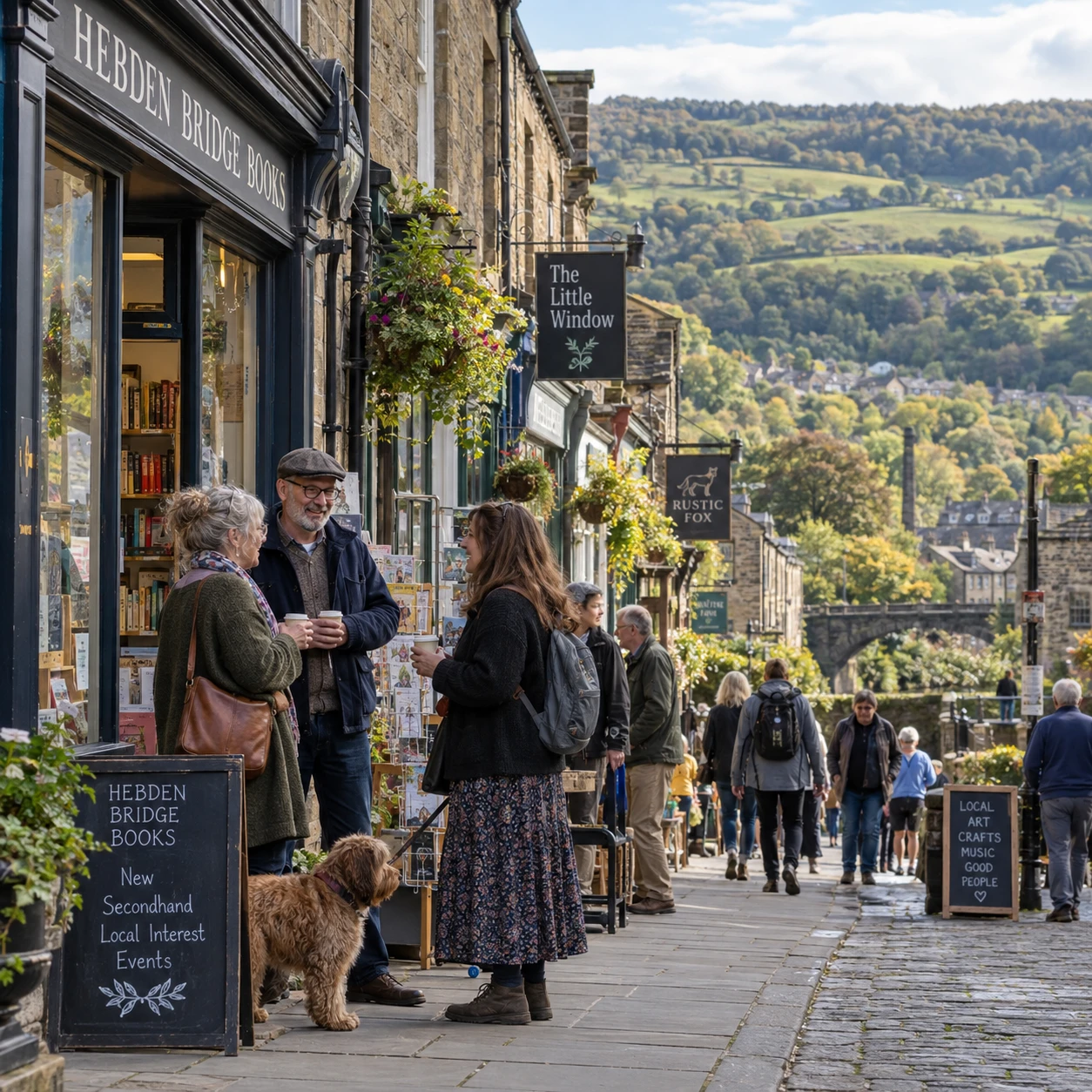
Ask people what makes Hebden Bridge feel like home and you will hear different answers: a familiar face on the canal towpath, a shopkeeper who remembers your name, or the valley landscape waiting at the end of an ordinary walk. These conversations offer a glimpse of community life through the people who live it, rather than a single story about the town.
The residents featured here represent a range of experiences and perspectives, not a poll or a claim to speak for everyone. Their reflections touch on everyday routines, local history, independent businesses, arts and culture, and the changes they have watched around them.
What makes Hebden Bridge feel like home?
For many Hebden Bridge residents, home is a combination of familiar relationships, a distinctive landscape, and the small routines that make a place feel known. Their reasons differ, but a sense of connection runs through the stories.
One long-time resident describes the town through its everyday greetings: the nod exchanged on the way to the shops, the neighbour who checks in, and the conversations that last longer than planned. A newer arrival speaks instead about finding a place in a community whose friendships often grow through shared interests and local activities. Both describe belonging as something built over time.
The Calder Valley is part of that attachment. Hills frame the view, while the River Calder and the Rochdale Canal shape familiar routes through town. For some people, the landscape is a daily comfort; for others, it is a reminder that steep paths, heavy rain, and valley weather are part of local life too.
Home can mean being recognised without being expected to fit one mould. Hebden Bridge has a reputation for individuality, but residents’ accounts show that this quality is experienced in personal ways. Some value its creative spirit; others simply appreciate having familiar places and people close by.
Everyday life in the Calder Valley
Everyday life in the Calder Valley is shaped by ordinary journeys, local meeting places, and the practical realities of living in a steep-sided valley. Residents’ routines reveal a town that is both socially connected and grounded in day-to-day responsibilities.
A morning might start with a walk along the canal, a bus or train journey, or a quick visit to an independent business before work. Parents describe fitting school runs around errands; people working from home value a change of scene and the chance to see familiar faces. For others, a trip to the market or a chat with a neighbour is the social point of an otherwise busy day.
Residents often name places through the memories attached to them rather than as a checklist of attractions. A bench becomes the spot where someone pauses after a hill walk. A café is where friends meet after a shift. The canal towpath can be a practical route one day and a place to clear the head the next.
That ease has its limits. Narrow streets, steep terrain, weather, and transport needs affect how people move around, particularly for those with mobility challenges or caring responsibilities. Local life is not automatically simple because the town is compact. What helps, residents suggest, is knowing where to ask for assistance and which routes and services suit the day.
Community, culture, and connection
Community life in Hebden Bridge grows through repeated contact: conversations, shared projects, local events, and the work of people who keep organisations and independent businesses going. Arts and culture add another layer, giving residents ways to meet and take part.
People describe connection in practical terms. It may mean volunteering at an event, supporting a local shop, joining a group, or helping a neighbour with a small task. These efforts do not always make headlines, yet they help create the trust that residents notice when something goes wrong or someone needs support.
Creative life is part of the town’s identity for many interviewees. Music, performance, making, and informal gatherings can bring people together across ages and backgrounds. Community events offer a shared occasion, but the conversations around them often matter just as much as what is on the programme.
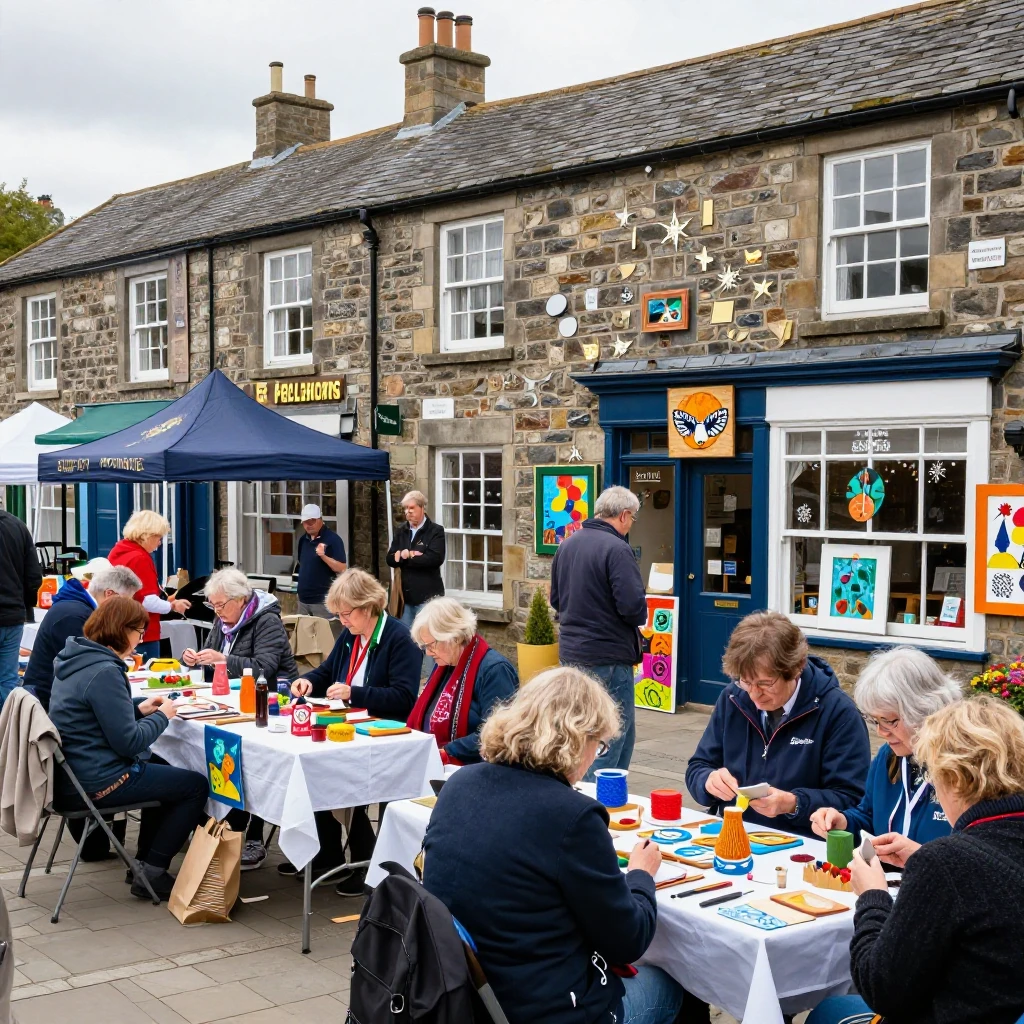
Still, no community is one close-knit circle. People’s experiences can vary with where they live, their working hours, income, health, and how long they have been in the area. Some find it easy to join in; others may feel on the edge of local networks. Residents say the welcome is strongest when participation stays open and when newcomers are invited without pressure to know the town’s customs already.
How the town has changed
Hebden Bridge has changed through shifts in housing, work, businesses, and who can afford to live locally, while many residents still recognise the relationships and places that give the town continuity. No single account captures how those changes feel to everyone.
Long-time residents often recall different patterns of work and shopping, and a town whose daily rhythm was shaped by a mix of local jobs and familiar services. Others remember arriving later and finding a place already known for independent businesses and a lively cultural scene. Their memories are personal recollections, not a complete record of local history.
Residents also talk about the pressure that change can bring. When housing costs rise or small businesses struggle, people worry about whether workers, young adults, and long-standing neighbours can remain in the area. At the same time, new residents and new ventures can bring energy, skills, and friendships. The tension is real: change can create opportunity while making belonging harder to sustain.
Preserving a town does not mean freezing it in time. Several residents focus instead on keeping everyday services accessible, supporting independent businesses where possible, and making room for different generations and backgrounds. What is worth protecting, they say, is not one idealised version of the past, but the ability to build a life and participate in the present.
Hopes for Hebden Bridge’s future
Residents’ hopes for Hebden Bridge centre on a future where people can afford to stay, local services remain useful, and community spaces welcome a broad mix of residents. They want the town to keep evolving without losing the chance for people to shape that change.
For some, the most immediate priority is housing: a range of homes that allows younger people, families, and older residents to remain connected to the Calder Valley. Others point to the value of reliable transport, accessible public spaces, and support for independent businesses. These priorities overlap. A thriving high street, for example, depends partly on people being able to live nearby and use local services throughout the year.
Residents also want community events and creative activities to stay within reach, rather than feeling reserved for a narrow group. That means considering cost, access, timing, and whether people who are new to town know they are welcome. Small choices can help: clear information, accessible venues, and chances to contribute in different ways.
The town faces practical challenges that goodwill alone cannot solve. Housing, transport, flood resilience, and the long-term security of local organisations require resources and decisions beyond any one neighbour’s control. Still, residents see value in staying involved, raising concerns, and supporting the people and groups doing the work on the ground.
A community told in many voices
Hebden Bridge is best understood through many local voices, not one definitive portrait. Residents’ stories show attachment, creativity, and neighbourly care alongside real concerns about affordability, access, and change.
A person who has lived in the town for decades may define it by the people and places they have watched grow. Someone who arrived recently may see possibility in its landscape, cultural life, or independent businesses. A parent, a shop worker, an artist, and a retiree can share a street while experiencing its rhythms differently.
Together, these perspectives make community life more than a local identity or a collection of well-known places. It is built in everyday choices: who gets welcomed into a conversation, which businesses people support, how neighbours respond when help is needed, and whether there is room for new ideas.
These interviews are a starting point, not a final word. The heart of Hebden Bridge lies in the conversation itself, and in making space for the next resident’s story.